In the vibrant world of online slots, in which fortunes can swing wildly, the concept of ‘steady returns’ often seems like a myth. Yet, a fascinating case has emerged from a dedicated UK player who has seemingly cracked a method for consistent play on Oink Oink Oink. I’ve analysed this game’s mechanics and the player’s strategy. While no slot guarantees wins, their approach highlights a disciplined, bankroll-focused way of playing that transforms volatility into a more controlled, long-term entertainment experience. This is not about hitting a single jackpot; it’s about lengthening gameplay, handling risk, and walking away believing you obtained value for money—a principle many British players appreciate. This story represents a masterclass in pragmatic slot play, not a get-rich-quick scheme.
Why This Approach Resonates with UK Players
This example appeals to a UK gaming community audience that values skill, discipline, and value over pure chance. There’s a cultural recognition for a «good punt» where entertainment and intellectual stimulation are part of the package. The methodical strategy of setting limits, managing funds, and having a clear strategy matches the responsible gaming philosophy promoted by UK regulators. It positions slot play not as a desperate bid for riches, but as a leisure activity with clear boundaries, much like budgeting for a night out. This practical, controlled style fits players who enjoy the thrill but demand a structure to keep it enjoyable and sustainable over the long term.
Targeting Bonus Features Tactically
Although Oink Oink Oink isn’t too complicated, its bonus rounds serve as the main driver for greater winnings. The player realized that activating these bonuses was the goal, but they didn’t rush it. Their small, steady wager allowed them to endure the gaps between bonus rounds without major harm. They reportedly avoided «buy bonus» features, because these often incur a greater expense and lower expected value than triggering them organically. Their patience ensured that when free spins finally arrived, the return, even from a smaller bet was often enough to replenish their bankroll and generate a modest profit, which they would then set aside. This selective targeting is a crucial tactical subtlety.
Bet Sizing: The Key to Reliability
Developing bankroll management, the specific bet sizing tactic was remarkably simple. The player sidestepped the common trap of increasing bets after a win or, more hazardously, after a loss. Their bet size stayed constant. This flat-betting approach is contrary to the thrill-seeker but is statistically robust for preserving capital. It eradicates the emotional decision-making that leads to rapid depletion. By sticking to a small, fixed bet, they maximised playtime, affording the game’s features and bonus rounds sufficient time to trigger organically over time. This patience is where the potential for more stable returns is found, as it aligns your actions with the game’s mathematical design rather than your short-lived impulses.
FAQ
Can anyone genuinely guarantee steady returns from a slot like Oink Oink Oink?
No, there is no way to guarantee returns. Slots are games of chance. The «steady returns» concept refers to a disciplined strategy that controls your bankroll to minimise risk, maximise playtime, and create a more consistent experience, making inherent volatility easier to handle without large losses.
What is the key element of this UK player’s strategy?
The cornerstone is rigid bankroll management and fixed bet sizing. By determining your session loss limit in advance and betting a tiny, fixed percentage of it, you shield yourself from emotional decisions and ensure you can survive the game’s natural dry spells, allowing features to trigger over time.
Does it not become dull to use such small, fixed bets?
It transfers the excitement from bet size to strategy and session goals. The thrill comes from executing your plan, hitting your win target, and enjoying a long, engaging session. It’s satisfaction based on control and sustainability rather than the adrenaline of high-stakes risk.
What is the way to set a realistic win goal and loss limit?
Your loss limit should be an amount you can comfortably afford to lose for that entertainment. A realistic win goal is a modest percentage of that, like 20-50%. For a £50 session, a £10-£25 profit goal is sensible. Be strict about stopping once either limit is reached.
Is the Oink Oink Oink slot’s RTP aligned with this strategy?
The game’s published RTP indicates the theoretical long-term payout. A bankroll management strategy doesn’t change the RTP, but it allows you to play through natural variance without blowing your budget, giving the RTP a better chance to manifest over your extended playtime.
How should I approach using the «Buy Bonus» feature to trigger rounds faster?
Generally, avoid «Buy Bonus» features in this steady-returns approach. They usually cost more than the average bet to trigger the bonus naturally and can have a lower RTP for that feature. Patience through standard spins fits a disciplined, value-focused strategy.
One Last Note on Bonus Buys:
While tempting, purchasing bonuses disturbs the careful bankroll calculus https://oinkoinkoink.net/. It’s a high-cost shortcut that typically offers poorer value, eroding the patient, statistical foundation of the strategy discussed here. For true consistency, organic triggers are best.
The Bankroll Management Plan
The bedrock of this gambler’s triumph remained strict funds management, a notion commonly touted however infrequently applied with such strictness. These players started every session with a dedicated amount they were willing to lose completely—a key psychological boundary. Importantly, they split this bankroll into betting units, where each wager was a small portion, often as low as of the entire session stake. This tiny bet sizing ensured even a prolonged losing streak could not catastrophically deplete their funds. As an illustration, with a £100 session stake, a wager unit of £0.50 provides 200 betting opportunities. This structure transforms the slot machine into a long-lasting, immersive experience, allowing inherent volatility to play out without money anxiety, which is essential for any approach aiming for consistency over luck.
Decoding the Oink Oink Oink Slot Volatility
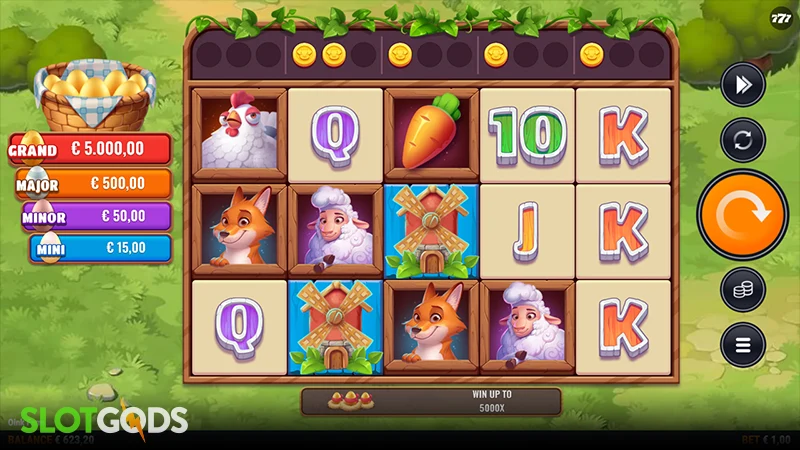
Before breaking down the strategy, we must understand the battlefield. Oink Oink Oink, a farmyard-themed slot, has cheerful graphics but a distinct mathematical model. My analysis reveals it functions with medium-to-high volatility. This implies wins won’t land every other spin, but when they do, they tend to be more substantial relative to the stake. For many, this leads to dry spells punctuated by exciting bursts. The UK player’s success resulted from accepting this built-in volatility as a quality, not a flaw. They didn’t chase losses during quiet periods, recognizing that the game’s return-to-player (RTP) percentage works over millions of spins, not a single session. This acknowledgment is the foundation of their steady-returns philosophy, permitting them to play the long game without emotional frustration.
Resources and Perspective for Long-term Slot Play
Using this approach requires the right resources and attitude. Technically, use the online casino’s responsible gaming tools: set deposit boundaries, playtime alerts, and stop-loss limits directly on the platform. Mentally, cultivate a perspective of balanced fun. Treat your session bankroll as the cost for your enjoyment, not an financial venture. Appreciate a session where you achieve your win goal or simply enjoyed extended playtime. Use a straightforward log to monitor discipline. To implement this well, center on three core pillars:
- Planning: Define your gaming session bankroll, unit amount, and boundaries before you hit spin.
- Execution: Maintain your set bet size regardless of immediate wins or defeats.
- Review: Following each session, note what went well and whether you adhered to your approach.
The Crucial Exit Strategy
Possibly the most important part of attaining «steady returns» is understanding when to stop. This player operated with two non-negotiable rules: a loss limit and a win goal. The loss limit was their initial session bankroll—once gone, play stopped. More importantly, they set a reasonable win goal, say 20-30% above their starting bankroll. Upon achieving this target, they would immediately cash out that profit and often end the session. This controlled exit stopped the common pitfall of returning all winnings back. It converted the abstract concept of «winning» into a real achievable target, turning sporadic luck into a organized result. This mindset shift from endless play to goal-oriented sessions is a seasoned hallmark.
Frequent Pitfalls to Evade for Stable Play
To emulate this stability, you must consciously avoid typical mistakes. I’ve seen players fail by succumbing to these traps over and over. The primary errors to sidestep include emotional betting, where you increase stakes out of frustration or excitement, totally destroying your mathematical model. Another is disregarding session limits, persuading yourself «just one more spin» when you’ve hit your loss limit. A third is neglecting to lock in profits; permitting a win goal slide because you feel lucky ensures the money will cycle back. Finally, playing with money set aside for essentials creates destructive pressure. Steering clear of these establishes the groundwork for a more stable experience.